Conservation
Farming as habitat.
At Bloom Tender, conservation is not something we practice at the edges of the farm. It is woven through the whole of it.
We believe a farm can grow food and flowers while also growing soil, sheltering wildlife, protecting water, feeding pollinators, and making room for the wild lives that were here long before we arrived.
Our goal is not simply to take less from the land.
It is to leave more life behind.
A Farm That Belongs to More Than Us
Bloom Tender sits within a much larger living landscape of fields, woodland, wetland, creek, orchard, grassland, garden, and wildlife habitat.
Rather than separating agriculture from conservation, we are working toward a farm where the two strengthen one another.
That means asking different questions not only, What can we grow here? But also:
What wants to live here? What does the soil need? Where does water move? What feeds the birds? Where do insects overwinter? What happens when we leave the ground covered? What changes when we allow a little wildness to remain?
Those questions shape how we farm.
Grasslands, Pollinators & Wildlife Habitat
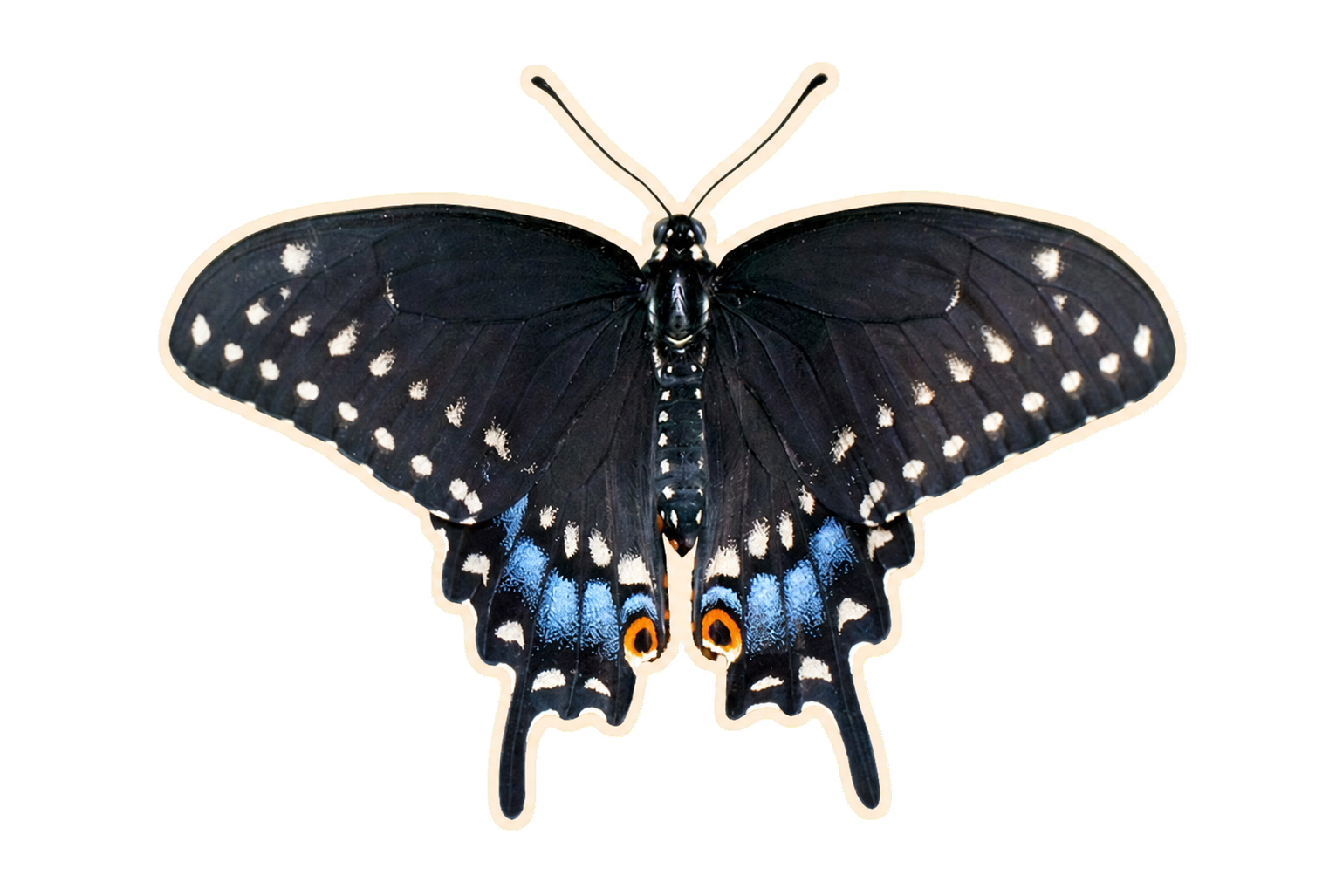
Parts of the farm are being intentionally managed for wildlife through conservation programs including CRP SAFE Monarch habitat and WHI Bobwhite Quail habitat.
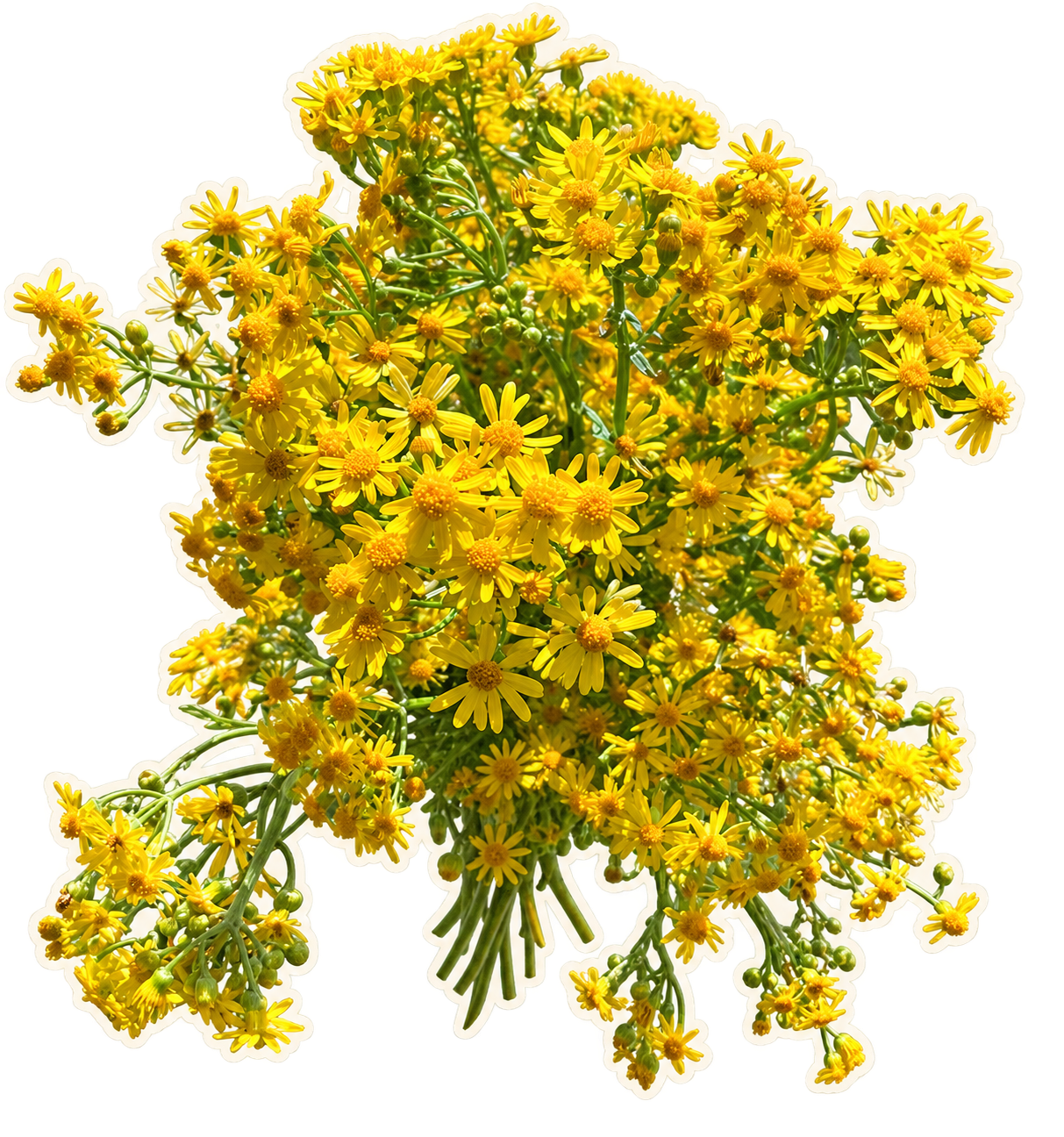
These areas provide something increasingly scarce in agricultural landscapes: places where grasses, wildflowers, insects, birds, and other wildlife can complete their life cycles without being asked to become a crop.
For us, these acres are not unused land. They are working lands of another kind.
They grow roots. They hold water. They feed pollinators. They shelter nesting birds. They build soil. They provide corridors through the landscape.
And sometimes, if we are lucky, they call the bobwhite home.
Heritage Breeds as Conservation
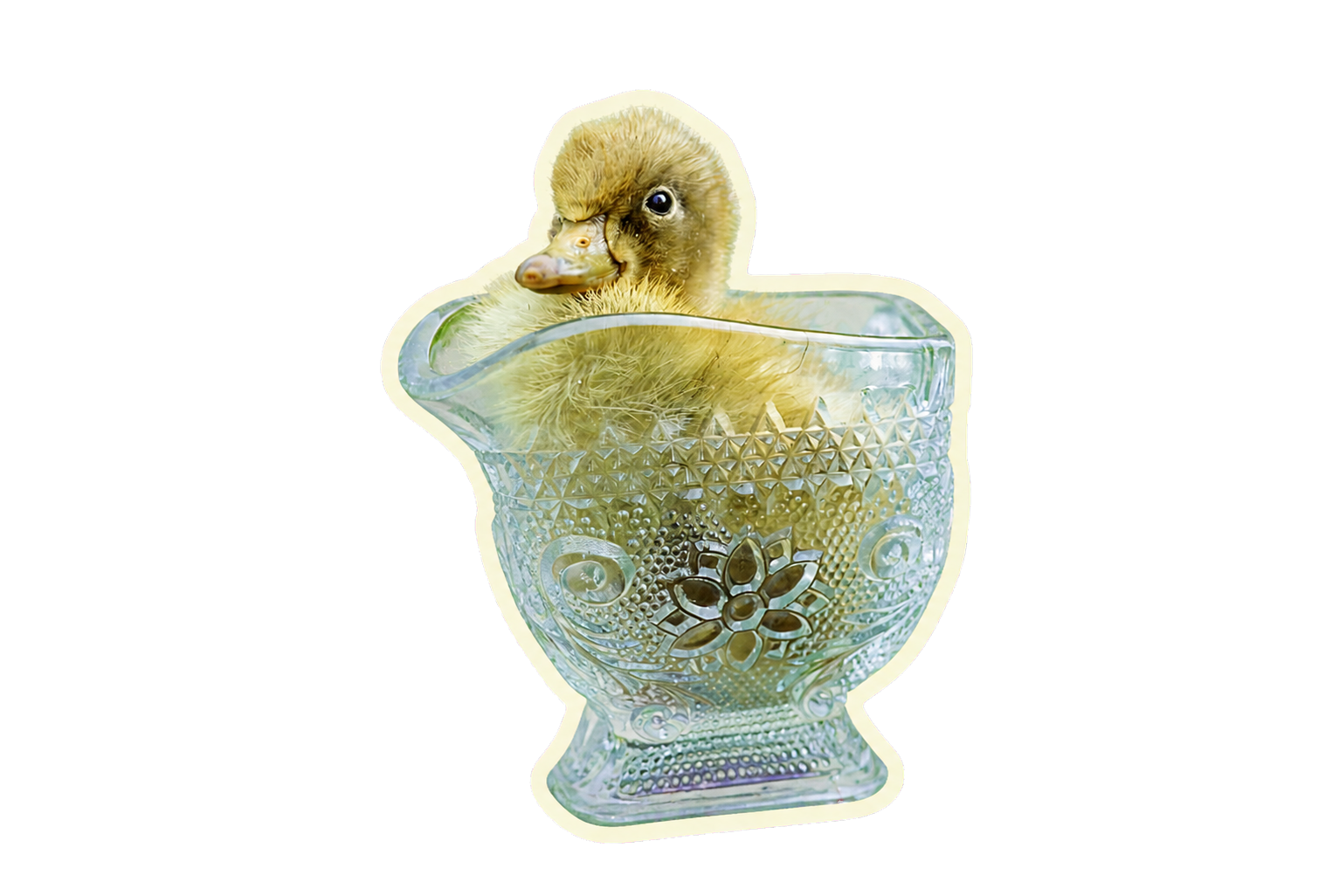
Our ducks are part of this story, too.
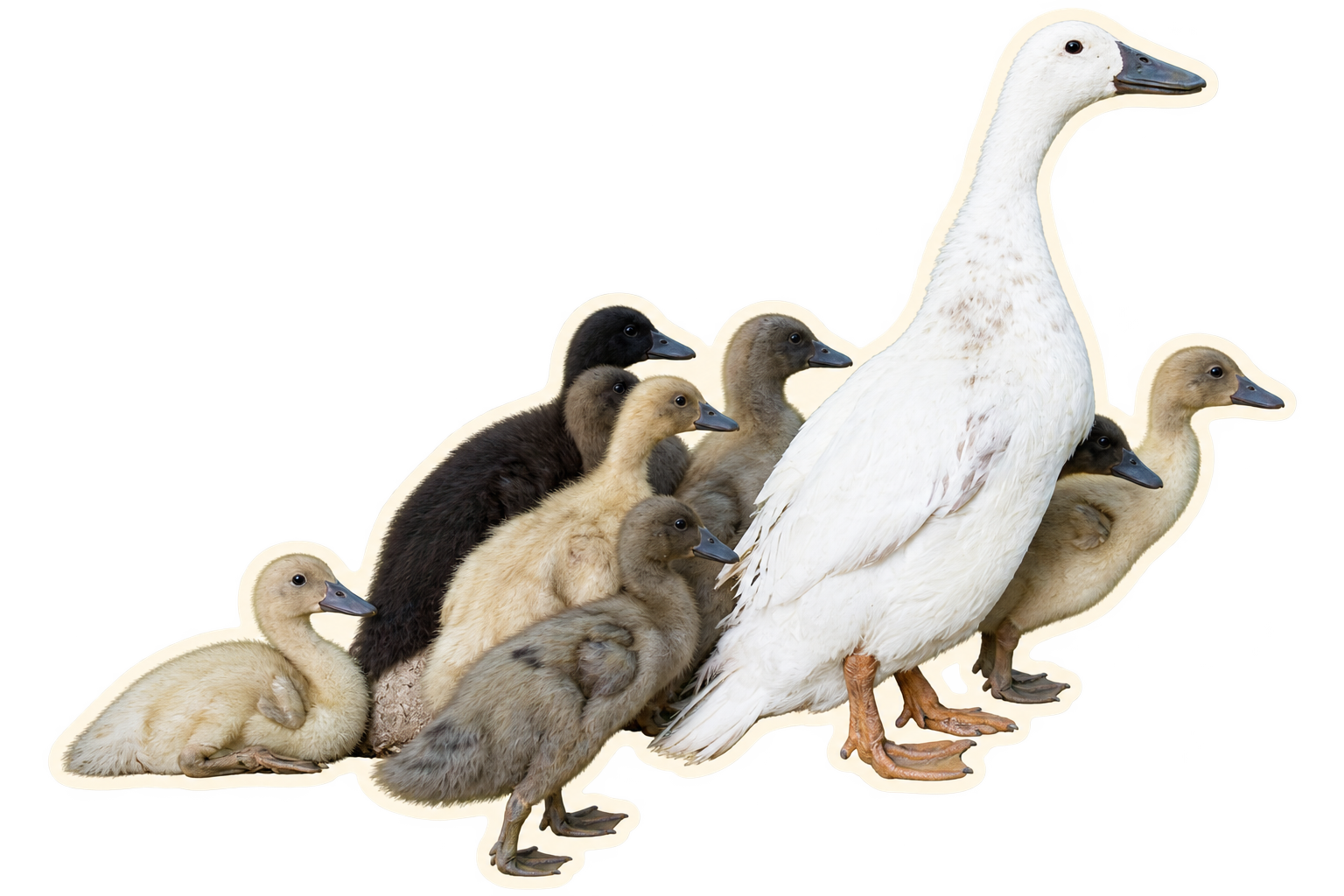
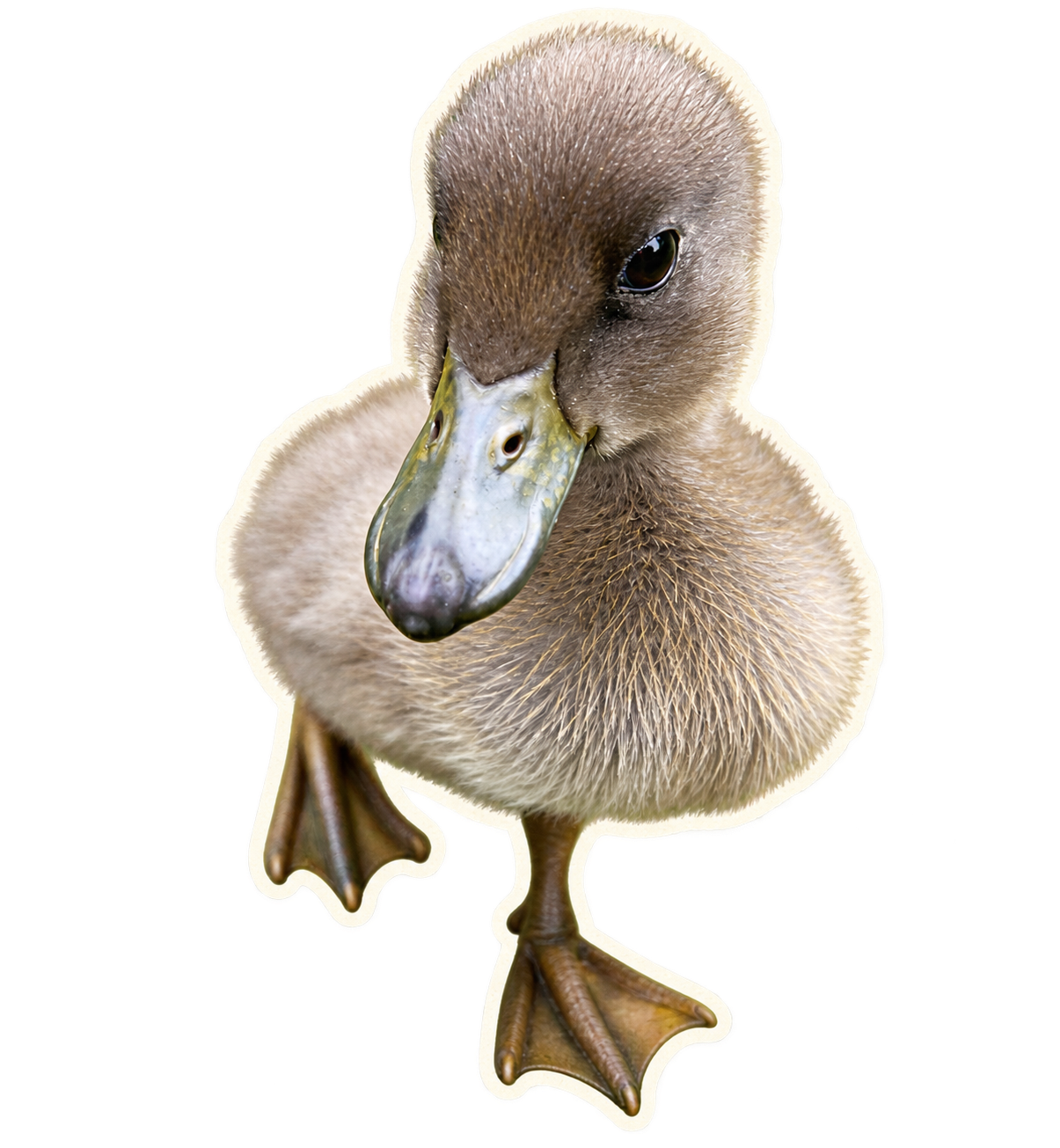
Bloom Tender raises heritage ducks not only because we love their eggs, personalities, and ridiculous little conversations, but because maintaining heritage breeds preserves agricultural biodiversity.
When farms keep rare and traditional livestock breeds in active agricultural use, they help carry genetics, adaptations, behaviors, and histories forward into another generation.
Here, the ducks are participants in the farm ecosystem. They forage for insects and slugs, cycle nutrients back into the soil, clean up fallen produce, and allow us to think about pest management as a relationship rather than simply a chemical intervention.
Sometimes the pest-control department has feathers.
Growing Living Soil
We believe healthy plants begin below our feet.
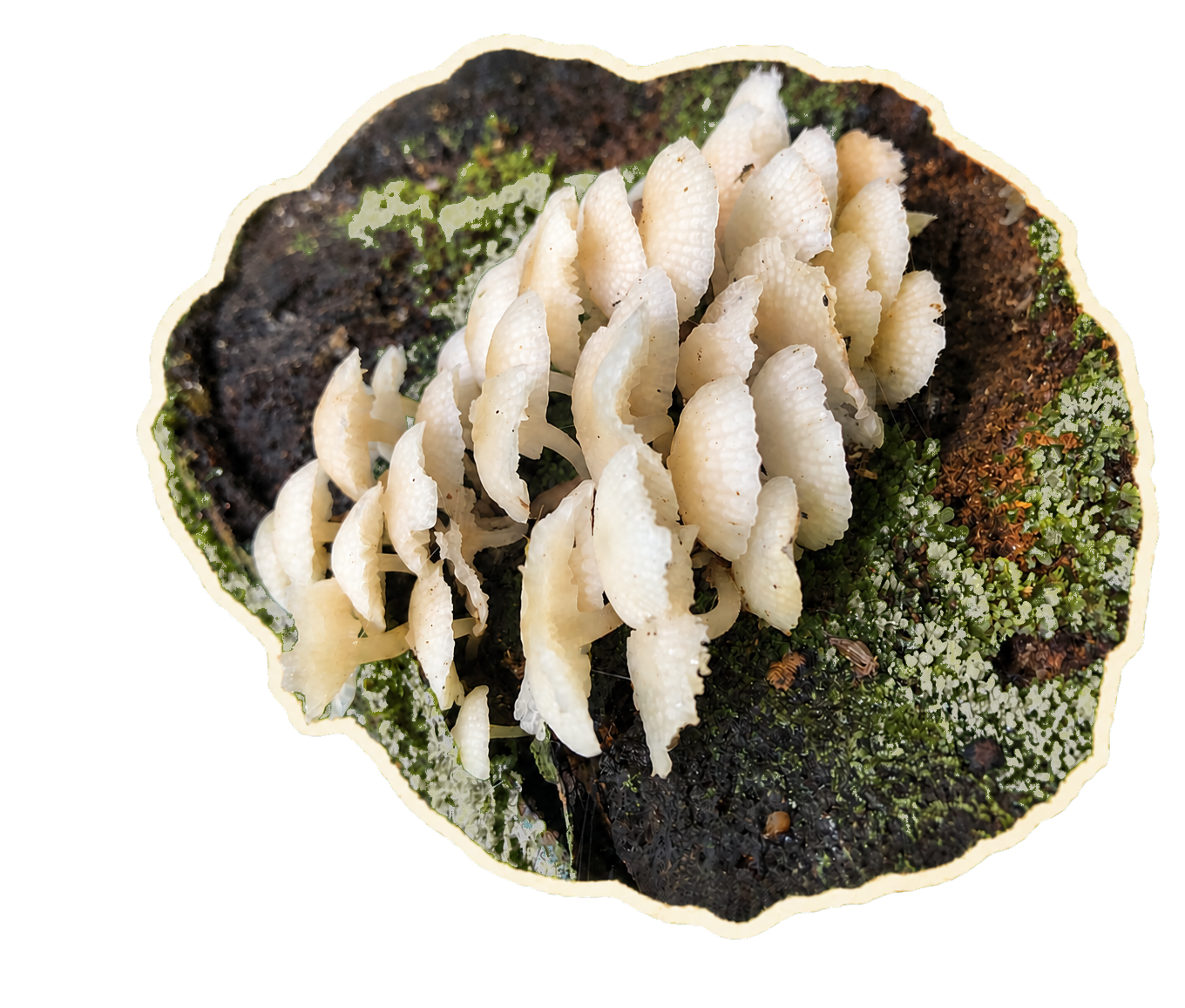
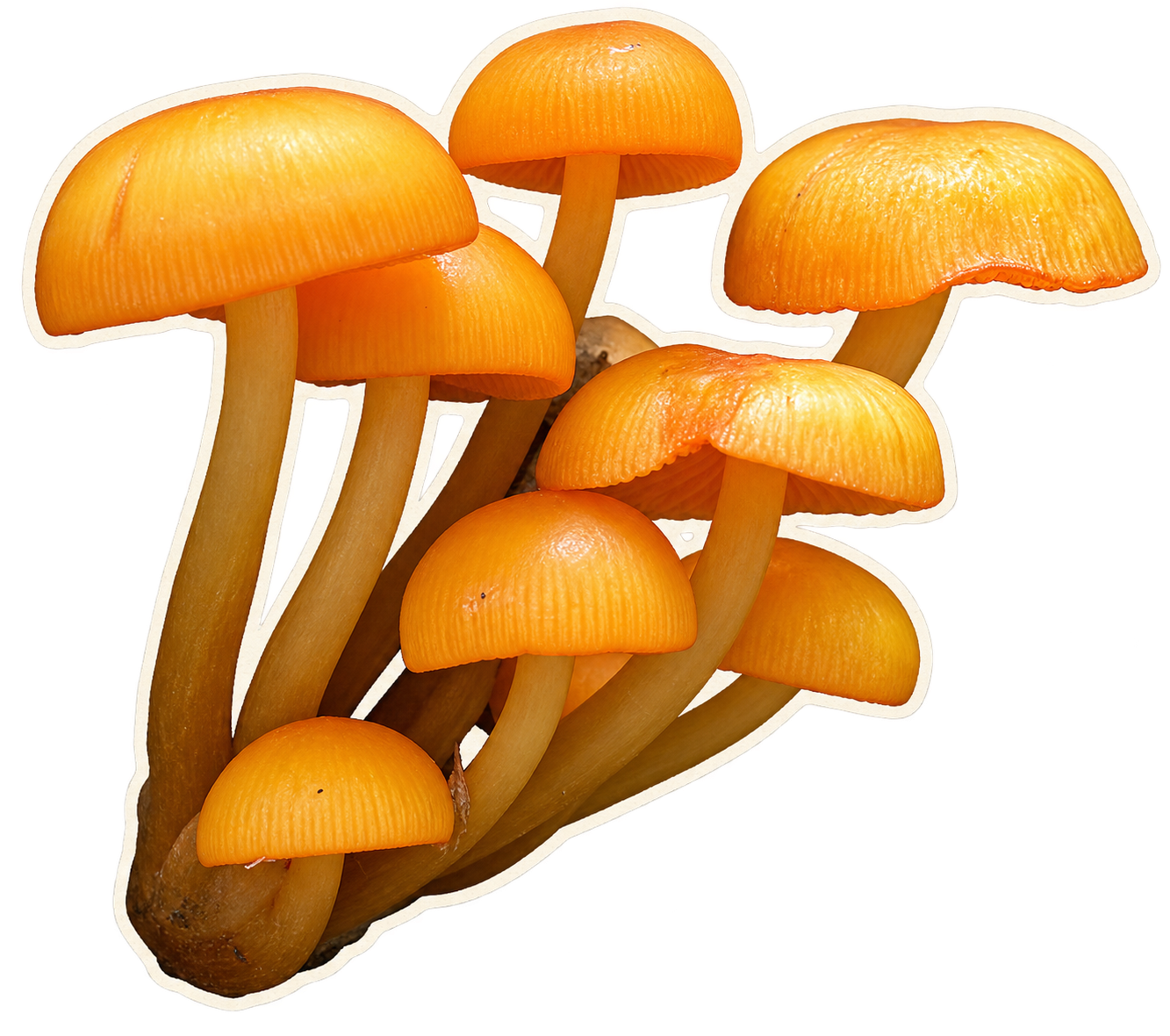
Our aim is to disturb the soil as little as possible while continually feeding the community living within it: fungi, bacteria, worms, insects, roots, and countless organisms we may never see.
Instead of treating soil as an inert medium that simply holds plants upright, we treat it as a living ecosystem.
That means building organic matter, keeping roots in the ground whenever possible, composting, reducing disturbance, rotating crops, and allowing biology to do much of the work agriculture has often asked machinery and chemicals to do.
Healthy soil holds water, stores carbon, cycles nutrients, supports insects, resists erosion, and slowly becomes more alive.
No Bare Ground
One of our guiding principles is simple:
The soil should be covered.
In nature, bare ground is usually temporary. Plants arrive. Leaves fall. Roots spread. Life covers the wound.
Rather than relying on acres of exposed soil or plastic mulch, we are working toward garden beds filled with crops, flowers, herbs, cover crops, living pathways, organic mulches, and roots.
Even the spaces between what we harvest can have a job.
Living rows protect the soil from summer heat and heavy rain while providing habitat for insects and microorganisms. They help slow water, reduce erosion, and turn the garden itself into part of the farm's habitat network.
We would rather grow something than cover the earth in plastic.
The Orchard as an Ecosystem
Our vision for the orchard reaches beyond rows of fruit trees.
We are working toward a more diverse system inspired by alley cropping and agroforestry, where trees, perennial plants, flowers, herbs, crops, and habitat can occupy different layers of the same landscape.
An orchard can produce fruit while its understory feeds pollinators. Its roots can hold soil. Its fallen leaves can become organic matter. Its edges can shelter birds. Its flowering plants can support beneficial insects.
Instead of asking one acre to produce one thing, we are interested in what happens when an acre is allowed to perform many functions at once.
Water Belongs to the Land, Too
Water moves through this farm in creeks, wet areas, soil, roots, rainfall, and groundwater.
Protecting those pathways means protecting everything downstream.
Our conservation work includes preserving vegetated areas around waterways and wetlands, maintaining living roots, reducing erosion, improving soil structure, and slowing rainfall where it lands rather than rushing it away.
A healthy farm should behave a little like a sponge. It should receive water, hold it, filter it, and pass it onward cleaner than it arrived.
Pest Management Through Diversity
Our first response to a pest is not to reach for a spray bottle.
We are building a farm where pest management begins with diversity.
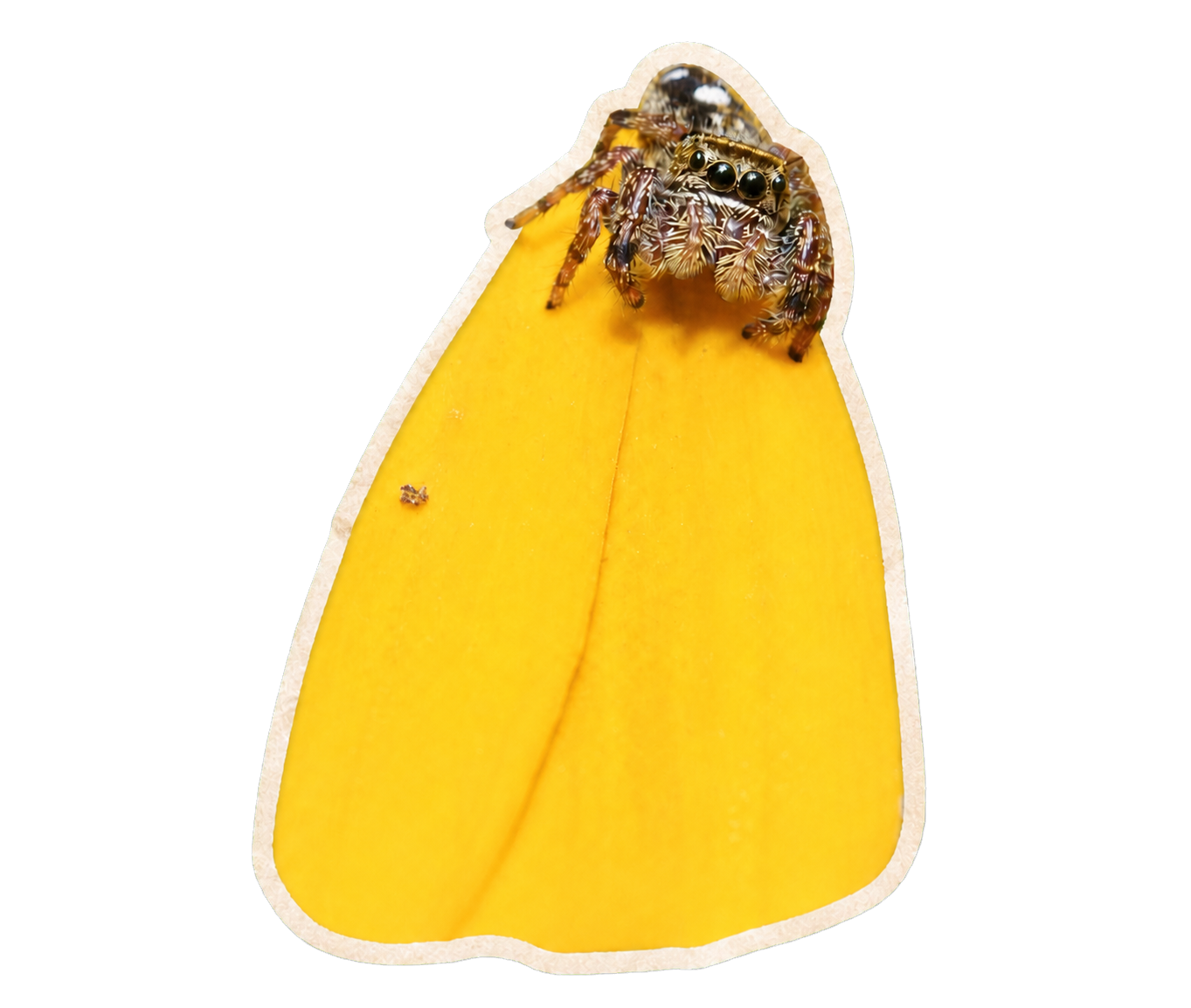
Birds eat insects. Ducks hunt slugs. Wasps hunt caterpillars. Spiders work the night shift. Flowers feed predatory and parasitic insects. Healthy soil grows stronger plants. Crop rotation interrupts pest cycles. Habitat gives predators somewhere to live when the crop they protect is not in season.
The goal is not a farm without insects.
It is a farm with enough relationships that no single organism is allowed to run the whole show.
Reciprocity
Agriculture will always ask something of the land.
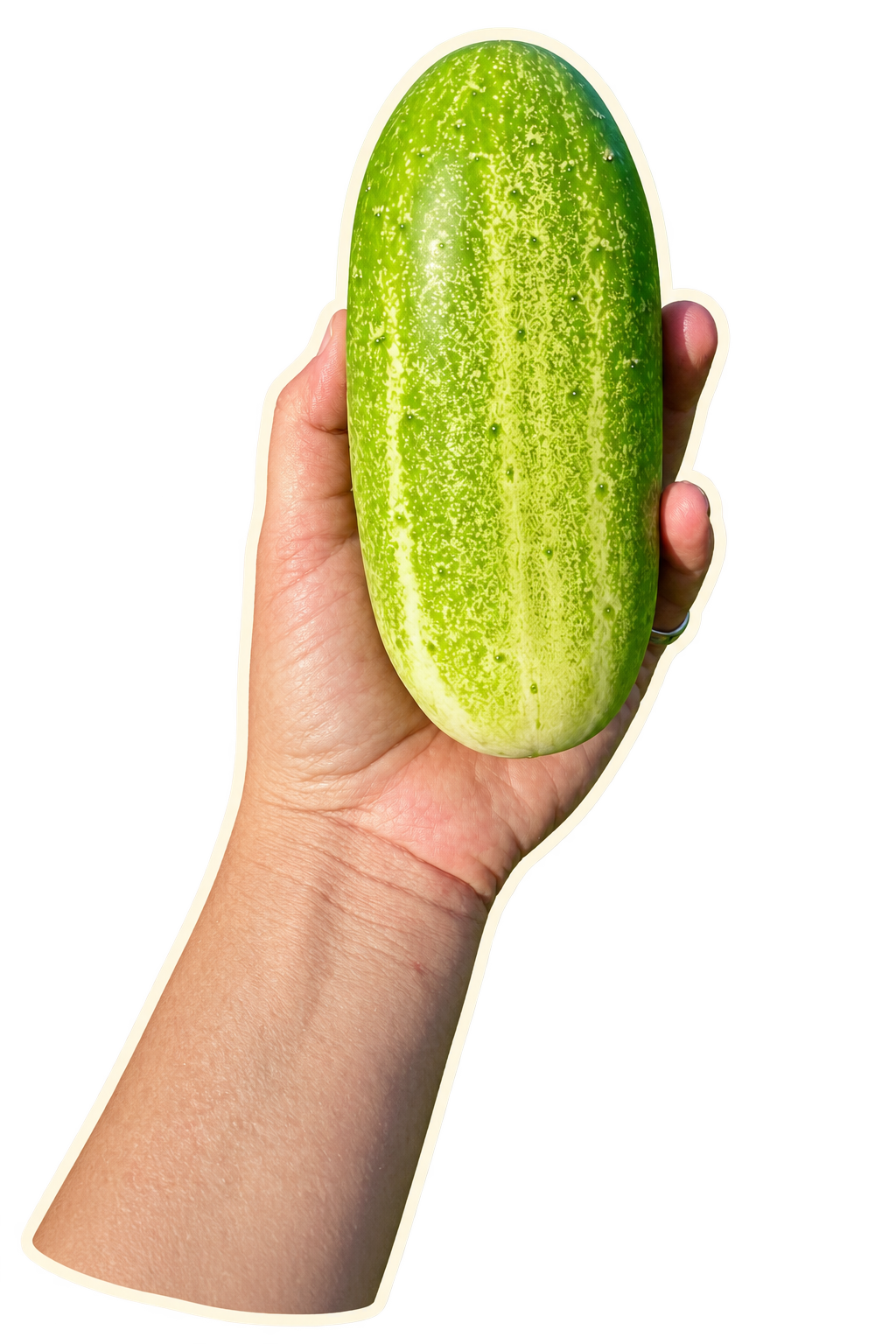
We harvest flowers. We gather eggs. We pick vegetables and fruit.
Conservation asks us to remember that the relationship should not move in only one direction.
So we try to give something back.
A patch left unmown. A hedgerow allowed to bloom. A nesting place. A creek protected by roots. A flower grown for a bee rather than a bouquet. An old breed carried forward. A handful of soil made richer than it was the year before.
Bloom Tender is still becoming. Restoration is slow work, and farming is full of experiments, mistakes, surprises, and seasons that refuse to follow the plan.
But that is the direction we are walking:
Toward a farm that produces food, flowers, and beauty while becoming more alive each year.
Grow food. Grow flowers. Grow habitat.
Conservation
Farming as habitat.
At Bloom Tender, conservation is not something we practice at the edges of the farm. It is woven through the whole of it.
We believe a farm can grow food and flowers while also growing soil, sheltering wildlife, protecting water, feeding pollinators, and making room for the wild lives that were here long before we arrived.
Our goal is not simply to take less from the land.
It is to leave more life behind.
A Farm That Belongs to More Than Us
Bloom Tender sits within a much larger living landscape of fields, woodland, wetland, creek, orchard, grassland, garden, and wildlife habitat.
Rather than separating agriculture from conservation, we are working toward a farm where the two strengthen one another.
That means asking different questions—not only, What can we grow here? But also:
What wants to live here? What does the soil need? Where does water move? What feeds the birds? Where do insects overwinter? What happens when we leave the ground covered? What changes when we allow a little wildness to remain?
Those questions shape how we farm.
Grasslands, Pollinators & Wildlife Habitat
Parts of the farm are being intentionally managed for wildlife through conservation programs including CRP SAFE Monarch habitat and WHI Bobwhite Quail habitat.
These areas provide something increasingly scarce in agricultural landscapes: places where grasses, wildflowers, insects, birds, and other wildlife can complete their life cycles without being asked to become a crop.
For us, these acres are not unused land. They are working lands of another kind.
They grow roots. They hold water. They feed pollinators. They shelter nesting birds. They build soil. They provide corridors through the landscape.
And sometimes, if we are lucky, they call the bobwhite home.
Heritage Breeds as Conservation
Our ducks are part of this story, too.
Bloom Tender raises heritage ducks not only because we love their eggs, personalities, and ridiculous little conversations, but because maintaining heritage breeds preserves agricultural biodiversity.
When farms keep rare and traditional livestock breeds in active agricultural use, they help carry genetics, adaptations, behaviors, and histories forward into another generation.
Here, the ducks are participants in the farm ecosystem. They forage for insects and slugs, cycle nutrients back into the soil, clean up fallen produce, and allow us to think about pest management as a relationship rather than simply a chemical intervention.
Sometimes the pest-control department has feathers.
Growing Living Soil
We believe healthy plants begin below our feet.
Our aim is to disturb the soil as little as possible while continually feeding the community living within it: fungi, bacteria, worms, insects, roots, and countless organisms we may never see.
Instead of treating soil as an inert medium that simply holds plants upright, we treat it as a living ecosystem.
That means building organic matter, keeping roots in the ground whenever possible, composting, reducing disturbance, rotating crops, and allowing biology to do much of the work agriculture has often asked machinery and chemicals to do.
Healthy soil holds water, stores carbon, cycles nutrients, supports insects, resists erosion, and slowly becomes more alive.
No Bare Ground
One of our guiding principles is simple:
The soil should be covered.
In nature, bare ground is usually temporary. Plants arrive. Leaves fall. Roots spread. Life covers the wound.
Rather than relying on acres of exposed soil or plastic mulch, we are working toward garden beds filled with crops, flowers, herbs, cover crops, living pathways, organic mulches, and roots.
Even the spaces between what we harvest can have a job.
Living rows protect the soil from summer heat and heavy rain while providing habitat for insects and microorganisms. They help slow water, reduce erosion, and turn the garden itself into part of the farm's habitat network.
We would rather grow something than cover the earth in plastic.
The Orchard as an Ecosystem
Our vision for the orchard reaches beyond rows of fruit trees.
We are working toward a more diverse system inspired by alley cropping and agroforestry, where trees, perennial plants, flowers, herbs, crops, and habitat can occupy different layers of the same landscape.
An orchard can produce fruit while its understory feeds pollinators. Its roots can hold soil. Its fallen leaves can become organic matter. Its edges can shelter birds. Its flowering plants can support beneficial insects.
Instead of asking one acre to produce one thing, we are interested in what happens when an acre is allowed to perform many functions at once.
Water Belongs to the Land, Too
Water moves through this farm in creeks, wet areas, soil, roots, rainfall, and groundwater.
Protecting those pathways means protecting everything downstream.
Our conservation work includes preserving vegetated areas around waterways and wetlands, maintaining living roots, reducing erosion, improving soil structure, and slowing rainfall where it lands rather than rushing it away.
A healthy farm should behave a little like a sponge. It should receive water, hold it, filter it, and pass it onward cleaner than it arrived.
Pest Management Through Diversity
Our first response to a pest is not to reach for a spray bottle.
We are building a farm where pest management begins with diversity.
Birds eat insects. Ducks hunt slugs. Wasps hunt caterpillars. Spiders work the night shift. Flowers feed predatory and parasitic insects. Healthy soil grows stronger plants. Crop rotation interrupts pest cycles. Habitat gives predators somewhere to live when the crop they protect is not in season.
The goal is not a farm without insects.
It is a farm with enough relationships that no single organism is allowed to run the whole show.
Reciprocity
Agriculture will always ask something of the land.
We harvest flowers. We gather eggs. We pick vegetables and fruit.
Conservation asks us to remember that the relationship should not move in only one direction.
So we try to give something back.
A patch left unmown. A hedgerow allowed to bloom. A nesting place. A creek protected by roots. A flower grown for a bee rather than a bouquet. An old breed carried forward. A handful of soil made richer than it was the year before.
Bloom Tender is still becoming. Restoration is slow work, and farming is full of experiments, mistakes, surprises, and seasons that refuse to follow the plan.
But that is the direction we are walking:
Toward a farm that produces food, flowers, and beauty while becoming more alive each year.
Grow food. Grow flowers. Grow habitat.